

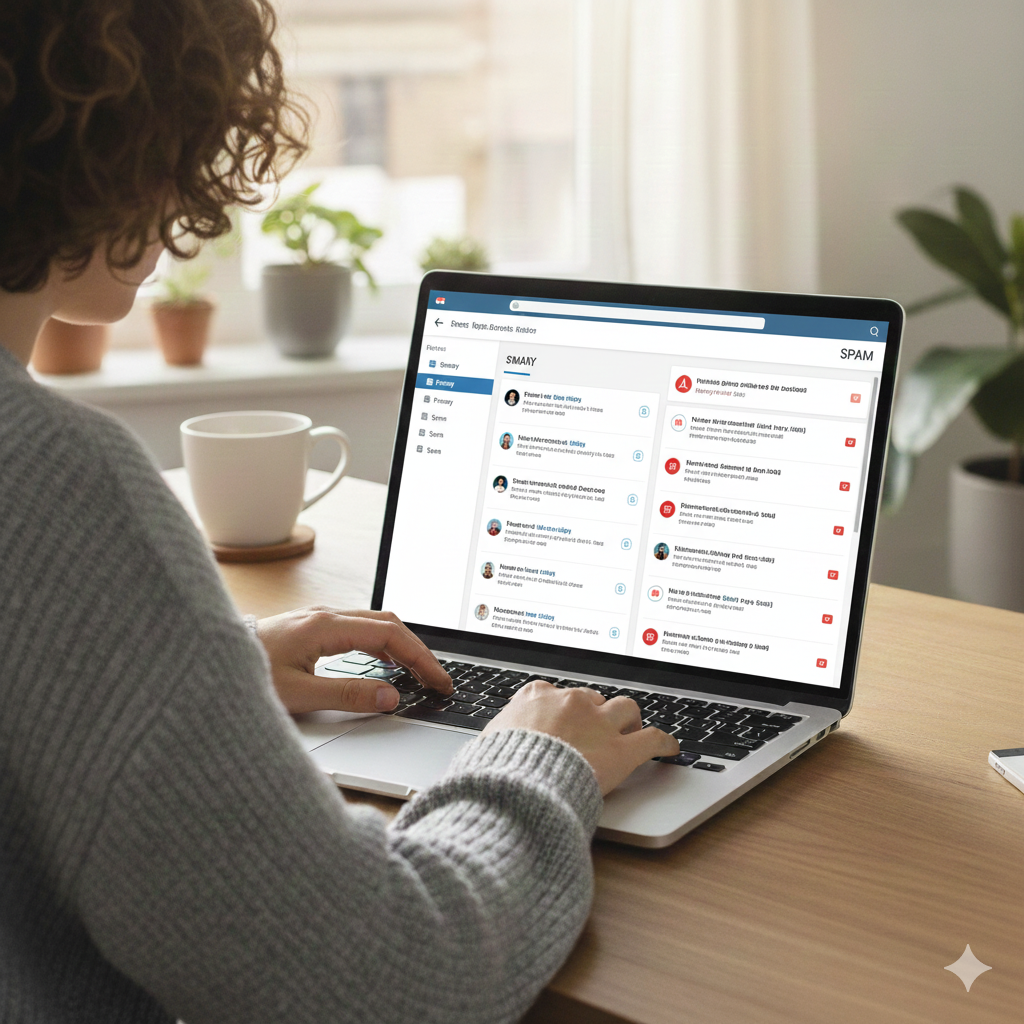
Understanding Spam Filters
Modern spam filters use machine learning to analyze hundreds of factors. Here’s how to stay in the inbox:
Technical Setup
1. Email Authentication
- SPF (Sender Policy Framework)
- DKIM (DomainKeys Identified Mail)
- DMARC (Domain-based Message Authentication)
- BIMI (Brand Indicators for Message Identification)
2. Infrastructure
- Dedicated IP address for large volumes
- Proper reverse DNS setup
- Regular IP warming for new domains
Content Optimization
1. Text-to-Image Ratio
- Keep images under 20% of email
- Always include alt text
- Don’t use image-only emails
2. Link Management
- Avoid URL shorteners
- Use your own domain for tracking
- Limit links to 2-3 per email
3. HTML vs Plain Text
- Use simple, clean HTML
- Include plain text version
- Test in multiple clients
Sending Best Practices
1. Volume Control
- Start with 50-100 emails per day
- Increase by 20% daily
- Never exceed domain reputation limits
2. Timing Optimization
- Tuesday-Thursday, 10 AM – 2 PM
- Avoid weekends and holidays
- Test time zones for international lists
Monitoring Tools
- GlockApps (Spam testing)
- Mail-Tester.com (Free analysis)
- Sender Score (Reputation monitoring)
Best Practices to Avoid Spam Filters
To keep cold emails out of spam folders, it is important to use verified email lists and avoid spammy words. Personalizing your email messages can also increase deliverability.
Businesses should focus on sending relevant and valuable content to their audience. Using an email validator tool helps maintain a clean email list and improves overall email campaign performance.